Fræðafólkið okkar
Þekking og þjónusta
Þjónustan Í Þórunnartúni
Sækja um aðild að FRA
Sækja um vinnuaðstöðu
TABULA GRATULATORIA
Fréttir

Atli Antonsson verkefnisstjóri Rannsóknaþjónustu ReykjavíkurAkademíunnar
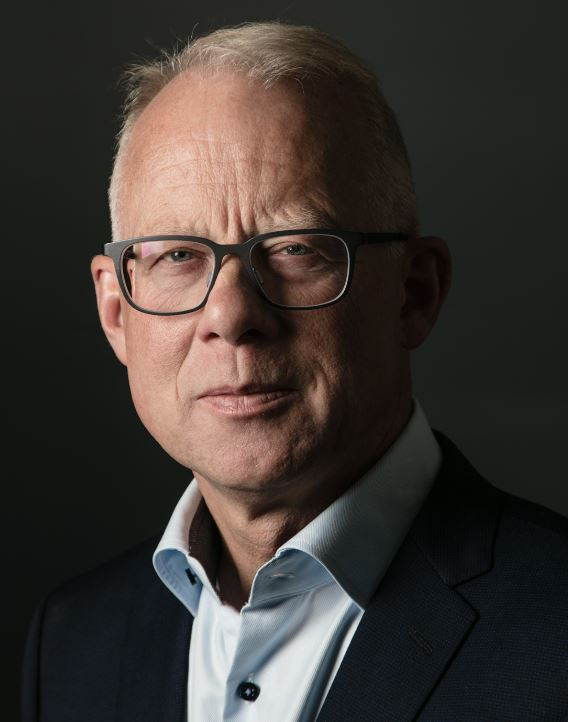
Atli Antonsson bókmenntafræðingur hefur verið ráðinn verkefnisstjóri Rannsóknaþjónustu ReykjavíkurAkademíunnar og mun sinna fjölbreyttum verkefnum sem tengjast rannsóknum og rannsóknamiðlun. Atli er með netfangi atli [hja] akademia.is Atli stefnir að því að verja...
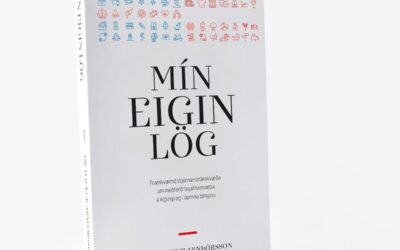
Mín eigin lög – útgáfuhóf
Í tilefni af útgáfu bókar dr. Hauks Arnþórssonar stjórnsýslufræðings ,,Mín eigin lög" verður útgáfuhóf í ReykjavíkurAkademíunni föstudaginn 22. mars kl. 16.00. Nánar um útgáfuhófið. Bókin „Mín eigin lög“ fjallar um þau ákvæði stjórnarskrár sem segja fyrir um...
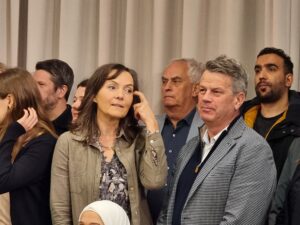
Rannsóknarverkefnið ,,Fortíð norðursins endurheimt” hlýtur styrk úr Rannsóknasjóði
Rannsóknaverkefnið Fortíð norðursins endurheimt. Mótun þjóðlegra og þverþjóðlegra sjálfsmynda á grundvelli norrænna forbókmennta 1750-1900 sem hýst er við ReykjavíkurAkademíuna hlaut styrk til þriggja ára úr Rannsóknasjóði 2024. Verkefnisstjórnina mynda þeir Gylfi...



Útgáfa RA
ReykjavíkurAkademían er hreyfiafl sem stendur fyrir gagnrýnni umræðu um samfélag og menningu og miðlar til samfélagsins niðurstöðum fræðilegra rannsókna.
Viðburðir RA
Árlega eru haldnir opinberir fyrirlestrar, málþing og sýningar ýmist að frumkvæði Akademíunnar eða í samstarfi við fræðimenn, háskóla, félög, stofnanir eða fyrirtæki innanlands og utan.
Rannsóknarverkefni
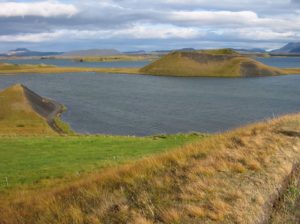
Gárur
Rannsóknarþjónusta
Sjóðir
Bóka Ráðslag fundarherbergi
Bóka Dagsbrún fyrirlestrarsal